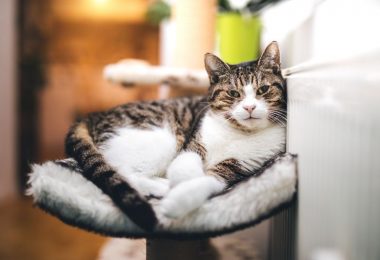
2. Cats Sense Weather and Atmospheric Pressure Changes
Long before modern weather apps, satellite radar, and storm tracking technology, animals relied on highly developed biological systems to detect changes in their environment. Cats still use these ancient sensory mechanisms today, making them remarkably sensitive to shifts in weather and atmospheric conditions.
Cats can respond to subtle environmental signals such as:
- Drops in barometric pressure
- Changes in humidity and air density
- Static electricity in the air
- Low-frequency sound waves from distant thunder
- Subtle vibrations traveling through walls and floors
These changes often occur hours before humans notice any visible signs of a storm. A cat’s inner ear, nervous system, and sensitive paws work together to detect these shifts, allowing them to react well in advance of rain, thunderstorms, or sudden weather changes.
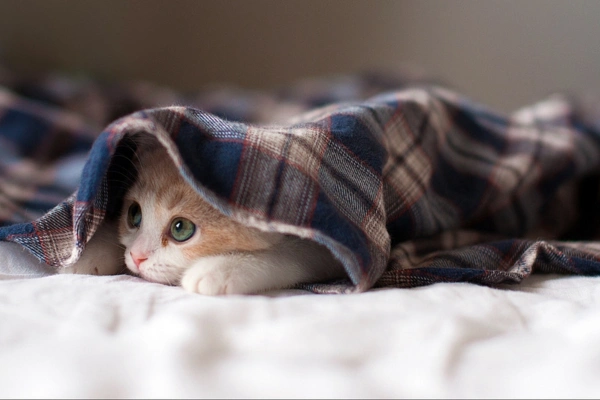
This is why some cats become restless, hide under furniture, vocalize more, or pace around the home before storms arrive. To a cat, these environmental changes can signal potential danger, triggering instinctive behaviors designed to keep them safe.
Many pet owners consistently report that their cats act differently before heavy rain, strong winds, electrical storms, or rapid temperature changes. Scientific research in animal behavior and veterinary science supports the idea that animals — including cats — are more sensitive to atmospheric pressure changes and low-frequency environmental signals than humans.
From a pet care and home environment perspective, this sensitivity can also explain why some cats seem anxious during storm season or react strongly to sudden weather shifts. Understanding this natural ability can help owners create calmer, safer indoor environments, especially for cats that are prone to stress during thunderstorms or extreme weather events.
In short, when your cat seems to “predict” a storm, it’s not coincidence — it’s biology, evolution, and advanced sensory awareness at work.